
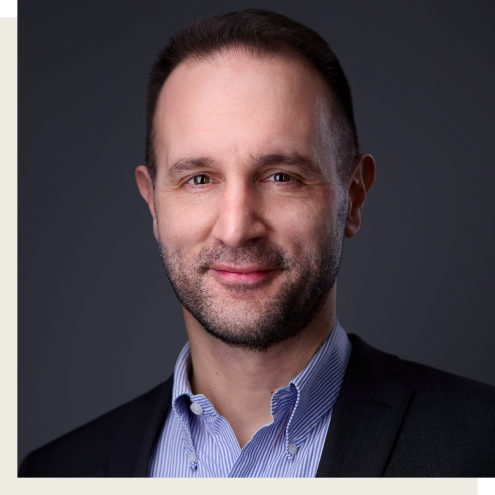
Timothy M. Schlak

About

Timothy M. Schlak

Academic library consultant. Former library dean and associate provost.

My work begins with a question: how can academic libraries carry their essential contributions into a different institutional future?

I bring experience building a new library, redesigning operations, and working across institutional leadership. Today, I help colleges and universities examine the models they have inherited and develop new ways of delivering the contributions they need.

Experience with both building and changing.

Building a library and learning commons

At a small baccalaureate institution, I led the development of a new academic library and learning commons. The project offered an opportunity to consider how space, services, and relationships could come together to support the institution’s academic life.

That experience shaped my understanding of a building project as a decision about the future library itself: what it will make possible, how people will use it, and how its operating model will support those ambitions.
Preparing operations for a smaller footprint

At an R3 university, I introduced greater automation and streamlined library operations in anticipation of a smaller physical footprint and staff.

The work required attention to how services were delivered, where processes could be simplified, and how professional capacity could be directed toward the work the institution most needed from its library. It reinforced the importance of designing an operating model deliberately as institutional circumstances change.

Rethinking growth to serve a deeper calling

I voluntarily returned to the library faculty to deepen my understanding of academic libraries from within and sharpen my librarianship.

That counterintuitive move meant rethinking my own development: recognizing that serving the work I felt most called to required a different kind of growth.

The social future of academic libraries.

My focus now is on the library’s future as a place of connection: between people and knowledge, between academic programs and professional expertise, and between the institution and its partners.

Collections and access remain essential. Alongside them, I see opportunities for libraries to strengthen learning, convene people, support collaborative work, and contribute more directly to institutional priorities.

The question is how to organize those contributions into a coherent model that an institution can sustain—and that its community understands and values.

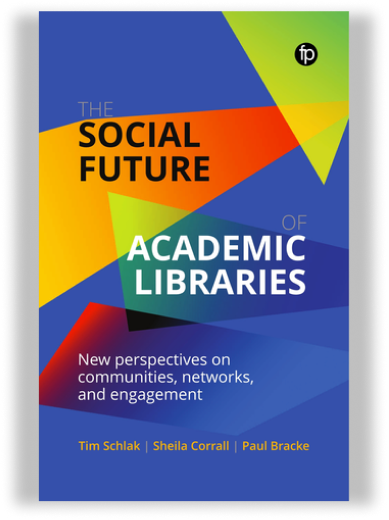
Cover of The Social Future of Academic Libraries, edited by Tim Schlak, Sheila Corrall, and Paul Bracke
Check out my co-edited volume on The Social Future of Academic Libraries.

Featured article · 2020

Libraries and Leaders as Creators of Authentic Community: Shifting Our Story from Isolation to Ownership

Tim Schlak

Journal of Library Administration · 60(6), 645–652

Developed in consultation with Peter Block, this article brings his community-building approach into a library leadership context.

Read the article

Community, trust & institutional positioning

Build community. Strengthen the library’s place.

My approach to consulting is informed by a longstanding interest in how libraries bring people together around knowledge, inquiry, and shared purpose. In a paper developed through a series of conversations with Peter Block, I adapted the ideas in his book, Community: The Structure of Belonging, for library leaders—exploring how libraries can help people move from isolation toward participation and shared ownership.

That perspective informs my work today. As AI changes how information is produced and trusted, and financial pressures reshape institutional choices, libraries have an opportunity to bring students, faculty, and campus partners together to evaluate evidence, exercise judgment, and learn from one another. I help leaders connect that contribution to institutional priorities, build the relationships needed to advance it, and make a clearer case for support.

What this means for your library

01 · Clarify the contribution

Define how the library advances the priorities that matter most to your institution.

02 · Build shared ownership

Engage campus partners in shaping a library future they have a stake in supporting.

03 · Strengthen institutional support

Connect the library’s work to decisions about strategy, partnerships, and resources.

Let’s explore what comes next for your library.

Bring the questions you are facing. We can begin by clarifying the situation and identifying where a fresh perspective would be useful.